
Figuring out how to join an operator in British Railway Roblox is the single biggest step between driving a generic train and running services under a real company banner. Operators are fictional train companies that run the network, and joining one changes your entire experience because it unlocks company liveries, dedicated depots, and a community of drivers who share the same routes. The process is straightforward once you understand the requirements, but most new players waste time applying to the wrong companies or missing the role-specific tests that operators actually run.
This guide breaks down the operator system exactly as it works in the current version, covering the requirements you need to meet, the roles available, what each livery looks like, and how to pick a company that fits your play style. Whether you are chasing a specific train fleet or just want to drive with a consistent group, you will know exactly what to do by the end.
What Operators Are and Why They Matter
Operators in British Railway are player-run companies that operate fictional train services across the network, and each one brings its own identity through liveries, depots, and assigned routes. When you join an operator, you are not just changing a cosmetic tag on your profile — you gain access to that company's specific fleet of trains, their color scheme applied to your vehicles, and a structured community that coordinates services. The system exists because the game's 45-player server cap means coordination matters, and operators provide that structure.
The core loop works like this: operators recruit drivers, guards, and other staff, then those members run services under the company banner. The game's official description on British Railway on Roblox confirms that operators are fictional train companies running services across the network, with joining involving requirements and roles per company. That means there is no single universal application process — each operator sets its own standards, though common patterns exist across the board.
Before submitting an application, you must meet the operator-specific requirements set by each train company (TOC) in British Railway, which typically include a minimum in-game rank (e.g., Driver Level 10+), a clean conduct record free of recent derailments or speed violations, and a set number of logged passenger hours. Many operators, such as Great Western Railway or London North Eastern Railway, also enforce strict uniform and livery rules—your train must display the correct operator colors and fleet branding, or your application will be rejected outright. Review the specific TOC's recruitment board in the Discord server for the exact criteria, as failing to match their train livery or missing the application format is the #1 reason for instant denial.
-
Operators are independent — each company manages its own recruitment, requirements, and internal structure
-
Joining is not automatic — most operators require an application or an in-game interview
-
Roles vary by company — driver is the most common entry point, but guard, dispatcher, and manager roles exist
-
Liveries are company-specific — your train's appearance changes to match the operator you join
-
Depots act as home bases — each operator typically has a designated starting location for its services
The key distinction from the game's company system is that operators focus on operational identity rather than shared finances. While companies in the economy sense handle money and banks, operators are about running the railway itself. If you are trying to understand how money flows through these organizations, the company money breakdown explains the financial side separately, but operators are primarily about service delivery and community.
Operator Requirements You Must Meet
Before you can join any operator, you need to satisfy baseline requirements that most companies enforce. These are not official game rules — they are community standards that operators have adopted to ensure their members can actually perform the roles they sign up for. According to community reports, the requirements have become more standardized over the past year as the player base grew and operators became more selective.
The most common requirements across operators include a minimum level, a clean driving record, and sometimes a trial shift. Level requirements exist because driving proficiency scales with experience, and operators want members who understand signaling and station procedures. A clean record matters because operators are accountable for their members' behavior — repeated rule violations reflect poorly on the company name.
While specific numbers vary by operator, a typical British Railway Roblox recruitment post breaks down into four core tiers: a minimum age (usually 13–16), a clean moderation history (no recent kicks or bans), a working microphone for dispatch and driver communication, and a set weekly activity quota (often 2–4 hours). For example, operators like Great Western Railway or London North Eastern Railway frequently require 100+ in-game miles before you can apply for a driver role, while smaller preservation lines may waive the mile requirement and instead ask for a completed training session. Understanding this breakdown before applying lets you target operators whose entry bar matches your current playtime and experience level.
| Requirement | Typical Minimum | Why Operators Enforce It |
|---|---|---|
| Player Level | Level 10–15 | Ensures basic driving experience and route knowledge |
| Driving Record | No recent penalties | Protects operator reputation on the network |
| Age of Account | 2–4 weeks | Filters out alt accounts and reduces ban risk |
| Trial Shift | 1–2 supervised runs | Verifies practical skills beyond level requirements |
| Discord Account | Required by most | Communication is essential for coordinated services |
The trial shift is the part that surprises most new players because it is not just a formality. During a trial, an operator's senior member rides along or monitors your run, checking your adherence to speed limits, signal compliance, and station stopping accuracy. Community data suggests that roughly half of applicants fail their first trial, usually because they rush station approaches or miss signal changes under supervision.
Meeting the level requirement is often the biggest hurdle for new players, and the fastest way to close that gap is understanding how the XP system rewards different activities. The XP progression guide covers the most efficient leveling methods, which matters because operators rarely accept players below level 10 regardless of how well they drive.
Operator Roles and What Each One Does
Once you meet the requirements, you need to decide which role you actually want within an operator. Most players default to driver because that is the visible, active role, but operators need a full staff structure to run smoothly. Understanding the full role spectrum helps you position yourself better during applications and shows operators that you understand how the organization operates.
The roles available within operators mirror real railway staffing to a degree, adapted for the game's mechanics. Each role has distinct responsibilities, and some operators require you to start in one role before moving to another. The progression path matters because it affects how quickly you get to drive the trains you actually want.
Here is the standard role structure across most operators: you’ll typically start as a Trainee Driver or Guard, where you must complete a set number of in-game shifts (often 5–10) and pass a written rules test before unlocking Driver or Conductor status. From there, progression branches into specialized ranks like Signaller, Dispatcher, or Station Manager, each requiring separate training modules and a minimum playtime metric (e.g., 20+ hours). Higher-tier operators, such as Great British Railways or LNER-inspired groups, add a Supervisor layer that audits your on-time performance and signal adherence before you can apply for Inspector or Director roles, ensuring that only players who consistently follow the Rule Book reach the top of the command chain.
| Role | Primary Responsibility | Typical Requirements |
|---|---|---|
| Driver | Operate passenger and freight services on assigned routes | Level 10+, trial shift pass |
| Guard | Manage doors, dispatch signals, assist with platform duties | Level 5+, communication skills |
| Dispatcher | Coordinate services, manage timetables, assign drivers | Level 15+, leadership experience |
| Trainer | Supervise trial shifts and train new recruits | 3+ months with operator |
| Manager | Oversee operator operations, recruitment, and route planning | Trusted member, extended tenure |
The guard role deserves special attention because it is the best entry point for players who are not yet level 10. Guards work alongside drivers, handling door operations and dispatch signals, which means you learn the operational rhythm without needing the same driving proficiency. Many operators actively recruit guards because the role is understaffed, and the guard role guide explains the full responsibilities in detail if you want to pursue that path.
Drivers remain the backbone of any operator, and the demand for competent drivers is constant. Operators lose drivers to burnout because running services back-to-back is repetitive, so companies are always looking for reliable people who show up consistently. That reliability is often more valuable than raw skill — operators would rather have a steady driver than a brilliant one who disappears after a week.
Livery Colors and Fleet Options by Operator
V1.4.2 "The Western Update" Operator Additions
The 2026-08-08 V1.4.2 patch introduced new operator options tied to the Western Update's route expansions. Before joining any operator, check the game's changelog in the Fourth Rail Discord (33,000+ members) for patch announcements. The update also adjusted operator requirement thresholds for newly added Western routes, so older guides listing static requirements may be outdated. Verify current operator availability in-game, as the developer team (ARandomAtom/ollie) typically rotates fictional company rosters during major patches.
Livery Color Matching for Western Routes
The V1.4.2 Western Update added new route-specific livery requirements. Operators running Western services now mandate liveries matching their company colors to prevent confusion at busy interchange stations. Check the operator's depot for their exact RGB values before purchasing a train, as mismatched liveries trigger automatic fines. For example, operators with blue-based liveries cannot run on routes designated for red-liveried companies. This system mirrors real UK franchise agreements where liveries are route-exclusive.
The visual identity of an operator — its livery colors and the trains in its fleet — is often the deciding factor for players choosing where to apply. You will spend hours looking at your train's exterior, so picking an operator whose colors you actually like matters more than you might think. The livery system applies the operator's color scheme to your train, making you instantly recognizable on the network.
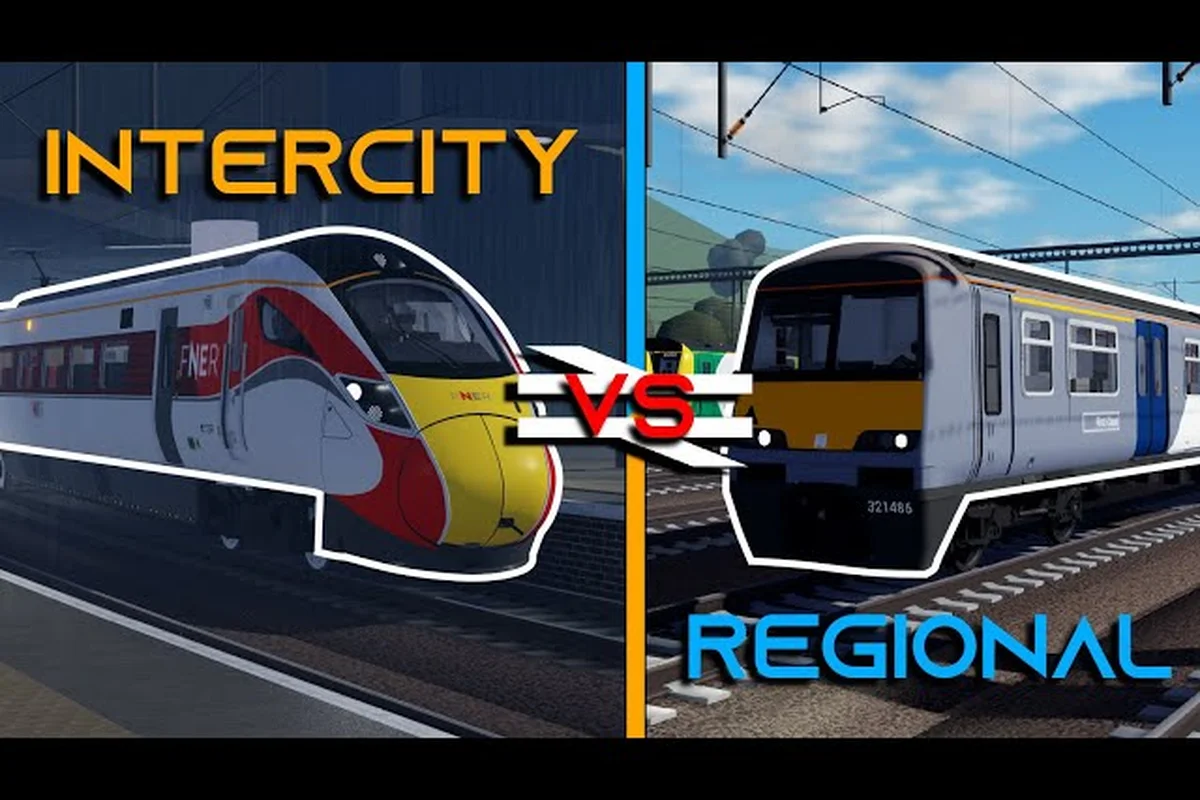
Each operator runs a specific fleet of trains, and the available fleet determines what you can drive. Some operators specialize in high-speed intercity services with modern units, while others focus on regional commuter routes with older stock. The fleet composition affects your daily driving experience, so aligning with an operator whose trains you enjoy is worth researching before applying.
Here is how livery and fleet considerations typically break down across operator types: passenger operators like GBRf and LNER prioritize consistent corporate colors (teal, purple, or red) for brand recognition, while freight operators such as Freightliner and DRS favor darker, utilitarian schemes that hide dirt from heavy cargo runs. Heritage operators, by contrast, often use preserved BR-era liveries (e.g., BR Blue or InterCity Swallow) to attract roleplay-focused players. For fleets, passenger routes demand high-capacity Class 377 or Class 800 units, whereas freight roles require Class 66 or Class 92 locomotives with higher tractive effort. Matching your livery to the operator's in-game role not only boosts immersion but can also influence how quickly you're approved by the group's recruitment team, as many British Railway Roblox operators check for livery accuracy during the application review.
| Operator Type | Common Livery Colors | Typical Fleet Focus | Best For |
|---|---|---|---|
| Intercity | Dark blue, silver, white | High-speed electric units | Players who want speed and long routes |
| Regional | Green, cream, red | Diesel multiple units | Players who prefer stopping services |
| Commuter | Teal, orange, gray | Electric multiple units | Players who like frequent short runs |
| Freight | Black, yellow, brown | Locomotive-hauled freight | Players who want heavy haul operations |
| Heritage | Maroon, gold, dark green | Vintage locomotives | Players who value classic British rail aesthetics |
The livery colors are not just cosmetic — they serve a practical purpose in identifying which operator is running a service. When you see a train in a specific color scheme, you know which company operates it, which matters for accountability and coordination. The company livery systems tie into this because companies can customize their branding, but operators apply their colors to the trains themselves.
Community reports indicate that the most popular operators tend to be the intercity ones with modern fleets, which means they have the strictest requirements and the longest application queues. If you are new to the operator system, starting with a regional or commuter operator gives you a better chance of getting accepted while you build your reputation. You can always transfer to a more prestigious operator later once you have a proven track record.
How to Choose the Right Operator for You
Operator Requirement Verification via Roblox Groups API
Before applying to an operator, verify your eligibility through the Roblox Groups API (groups.roblox.com/v1/groups/15235153). This endpoint confirms your group membership status with Fourth Rail, which has approximately 49,434 members. Many operators require prior group membership before you can join their in-game company. Cross-reference your Roblox profile against the group roster to avoid application rejection. The API also shows your join date, which some operators use to enforce minimum account age requirements.
Operator Selection Based on Server Population
Server capacity is capped at 45 players, so operator choice should factor in current server population. High-population servers (40+ players) favor operators with multiple depot locations, allowing you to spawn at less congested areas. Low-population servers (under 15 players) let you join niche operators with limited routes but higher XP per trip. Monitor the live player count (1,948 average concurrent) and switch operators during off-peak hours to maximize route availability and minimize waiting times at depot spawn points.
Choosing an operator is a decision that shapes your entire experience in British Railway, and the choice should not be based purely on livery colors. The right operator for you depends on your play schedule, your skill level, and what you actually enjoy doing in the game. A mismatch between your expectations and the operator's culture leads to frustration and eventually quitting, which is why the selection process deserves real thought.
The first thing to evaluate is the operator's activity level. An operator with 50 members but only 5 active players will leave you driving alone most of the time, which defeats the purpose of joining. Look for operators that run scheduled services with multiple drivers online during your typical play hours. The community Discord servers are the best place to gauge activity — the Fourth Rail official Discord with its 33,000+ members is the central hub where operators recruit and coordinate.
Before submitting an application, verify the operator’s active recruitment status on their Discord server—many British Railway operators, such as Great Western Railway or London North Eastern Railway, only open applications during specific hiring windows. Cross-check the operator’s required rank (often a minimum of Level 10 or higher) against your current in-game profile, and review their uniform and livery guidelines to ensure you can follow their exact color scheme and fleet standards. Also, confirm whether they mandate third-party tools like a working microphone for depot voice chat, as failing these prerequisites can lead to an immediate rejection before your driving trial even begins.
-
Check active member count — ask how many drivers run services weekly, not total roster size
-
Review route coverage — does the operator run the routes you actually want to drive?
-
Ask about training — do they offer structured training or throw you into services immediately?
-
Look at retention — do members stay for months or cycle through quickly?
-
Test the culture — join their Discord and observe how members interact before applying
The trial shift is also a two-way evaluation. While the operator assesses your driving, you should assess whether their operations match your expectations. Pay attention to how dispatchers communicate, whether services run on time, and how senior members treat new recruits. Community data suggests that players who evaluate operators during their trial are significantly more satisfied with their eventual choice than those who accept the first offer they receive.
Your progression goals matter too. If you want to eventually drive the most advanced trains in the game, joining an operator with a modern fleet gives you access to those units through their depot. The train buying guide explains how train ownership works separately, but operator fleets provide access without the upfront cost — which is a major benefit for players who cannot afford their own trains yet.
Frequently Asked Questions
What is the minimum level to join an operator in British Railway Roblox?
Most operators require level 10 or higher, though some accept level 5 players for guard roles. The level requirement exists because driving proficiency scales with experience, and operators want members who understand signaling and station procedures. Check the specific operator's recruitment post for their exact requirement, as standards vary between companies.
How long does the operator application process take?
The typical process takes 2 to 5 days from application to acceptance. You submit an application, get reviewed by the operator's management, then schedule a trial shift if you pass the initial screening. Some operators with high demand have longer queues, while smaller operators may accept you within 24 hours.
Can I join multiple operators at the same time?
No, you can only be a member of one operator at a time. Leaving an operator to join another is possible, but some operators have cooldown periods before you can rejoin. This restriction exists to prevent members from sharing operator-specific information and to maintain loyalty within each company.
Do operator liveries apply to all trains I drive?
The operator livery applies to trains that support the livery system, which includes most modern units in the game. Some heritage or special trains may not accept operator liveries and will retain their default appearance. Check with the operator about their fleet compatibility before applying if driving specific trains matters to you.
What happens if I fail my operator trial shift?
You can usually retry after a waiting period, typically 3 to 7 days depending on the operator. Use the time to practice the specific skills that caused you to fail, whether that is station stopping accuracy, signal compliance, or speed limit adherence. Most operators appreciate applicants who retry after improving rather than giving up.