
Trains
Every train in British Railway explained — compare Class 43 HST, Class 47, Class 80X, Class 175 and more by top speed, capacity, price and how to unlock each class.
Introduction
British Railway features a growing fleet of detailed trains inspired by real British rolling stock, and knowing the differences between classes is the key to running a good service. The fleet is usually split into diesel locomotives such as the classic Class 47, diesel multiple units (DMUs) such as the Class 150 and Class 175, electric multiple units (EMUs) such as the Class 350 and Class 80X family, and the bi-mode Class 755 that can switch between electric and diesel power. The iconic Class 43 HST is the face of the game and a great all-rounder for intercity running, while modern electric expresses like the Class 800, 801, 805 and 807 form the fastest services on the network. Each train has its own top speed, acceleration, capacity and price, so choosing the right train for a route matters — a fast express is wasted on a short branch line, while a slow local unit struggles to keep to an intercity timetable. This category compares every class so you can decide which train to buy first and which to save for.
Train Class Comparison
| Class | Type | Top Speed | Capacity | Best For |
|---|---|---|---|---|
| S Class 80X | Electric Express | Very High | High | Fastest intercity services |
| A Class 43 HST | Diesel Intercity | High | High | Mainline all-rounder |
| A Class 47 | Diesel Loco | Medium | Loco-hauled | Freight and classic services |
| B Class 755 | Bi-Mode DMU | Medium-High | Medium | Mixed electric and diesel routes |
| B Class 175 | DMU | Medium | Medium | Pencarn local stopping services |
| C Class 150 | DMU | Low | Low | Cheapest starter train |
Fleet Spotlight
Class 43 HST
The iconic diesel intercity train and the face of British Railway — a fast, dependable workhorse perfect for mainline expresses.
Class 47
A classic diesel locomotive and a favourite among veteran drivers, ideal for freight and loco-hauled passenger services.
Class 80X
The modern electric express fleet — Class 800, 801, 805 and 807 — for the fastest journeys on the British Railway network.
Class 175
The quirky local passenger train added in V1.4.2, ideal for stopping services on the Pencarn extension.
Class 755
A versatile bi-mode multiple unit that runs on both electric and diesel sections, ideal for routes that mix both.
Class 150
A cheap and cheerful diesel multiple unit and the most affordable starter train for brand-new drivers.
Core Mechanics
Every train in British Railway is defined by a small set of performance stats that shape how it drives. Top speed determines how fast the train can travel on open sections, acceleration decides how quickly it builds speed after a station stop, and capacity sets how many passengers the service can carry. These stats are balanced against price, so a cheap Class 150 is slow but affordable while a Class 80X express is expensive but fast. Trains are also divided by power type: diesel locomotives such as the Class 47 excel at hauling freight, DMUs such as the Class 150 and Class 175 are self-contained passenger units, EMUs such as the Class 350 and Class 80X run on electrified lines, and the Class 755 is a bi-mode that can switch power source. To buy a train you save coins and purchase it from the train menu, and some classes may be tied to updates or level requirements. Once owned, a train is yours to run on any route, so building a balanced fleet of a cheap local unit and a fast express is the smartest way to cover the whole network.
Advantages
The trains category is one of the most valuable on the wiki because British Railway is, at its heart, a train collection and driving game. Comparing classes by speed, capacity and price helps players spend their hard-earned coins wisely, which matters a lot when an express train costs many times more than a starter unit. The category also highlights which train suits which job — a beginner saving for their first train gets clear guidance, while veterans can compare the fastest expresses for record runs. Because the fleet grows with each update, the category is constantly expanding, and the class reviews cover real driving impressions rather than just stats on paper.
Challenges
The main weakness of a train guide category is that performance details are sometimes based on community measurements rather than official numbers, and British Railway does not publish exact stat sheets for every class. Top speed and acceleration can also change in balance updates, so a review written before V1.4.2 might not match the current version. New players can also get confused by the many class numbers — understanding the difference between a DMU, an EMU and a locomotive takes a little study. Finally, some of the newest trains are locked behind updates or require grinding, so guides for rare classes are naturally less tested.
Frequently Asked Questions
What is the best first train to buy in British Railway?+
What is the fastest train in British Railway?+
How do I unlock new trains in British Railway?+
What is the difference between a DMU, an EMU and a locomotive?+
Quick Tips
Buy a cheap Class 150 first and grind local routes — your fleet grows much faster when you are not saving for one expensive express. Remember that the fleet changes with every major update, so checking the newest train reviews and the tier list before you spend coins keeps your savings working hard for you.
Match the train to the route. A fast Class 80X is wasted on a branch line, while a slow Class 150 will struggle to hold an intercity timetable. Remember that the fleet changes with every major update, so checking the newest train reviews and the tier list before you spend coins keeps your savings working hard for you.
Before spending on a new class, check the tier list to see how it compares on speed, value and comfort so your coins go further. Remember that the fleet changes with every major update, so checking the newest train reviews and the tier list before you spend coins keeps your savings working hard for you.
Use the Class 47 for freight and railtours — it is the most versatile locomotive and a great earner for veteran drivers. Remember that the fleet changes with every major update, so checking the newest train reviews and the tier list before you spend coins keeps your savings working hard for you.
After every update, check the newest train reviews because balance changes can move a class up or down the rankings. Remember that the fleet changes with every major update, so checking the newest train reviews and the tier list before you spend coins keeps your savings working hard for you.
Featured
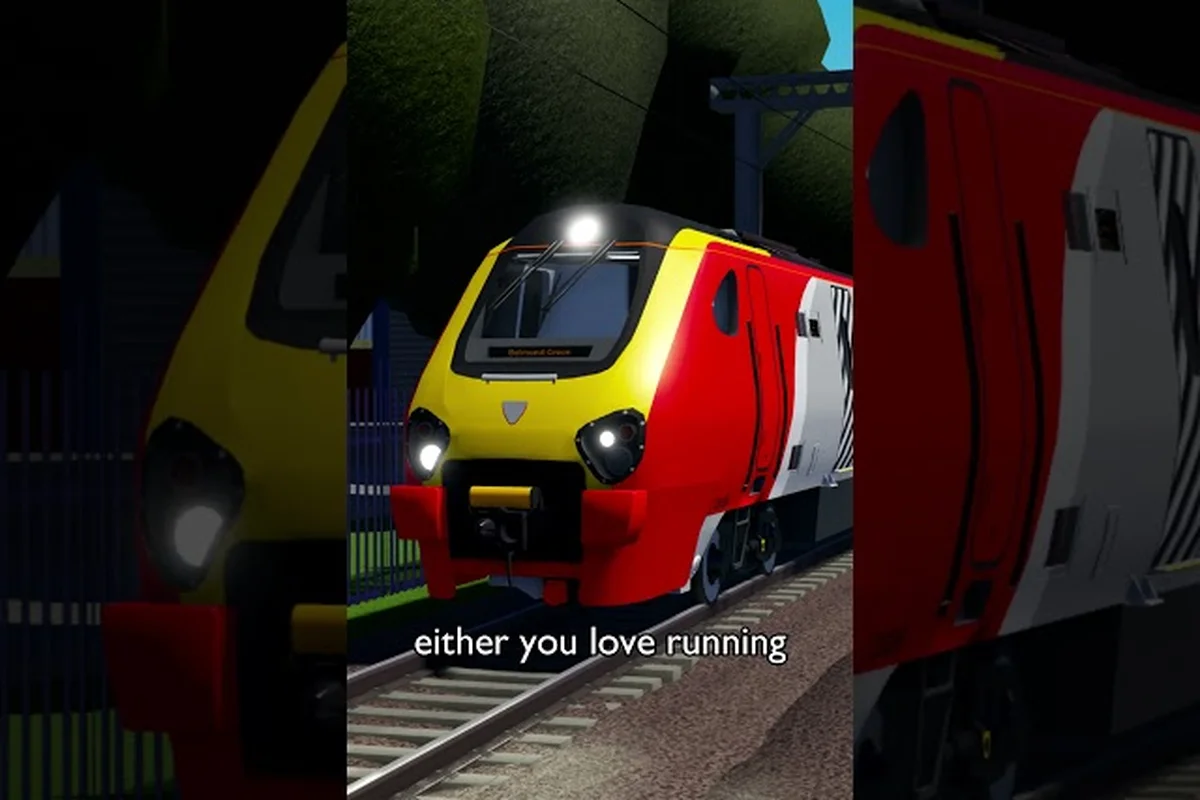
British Railway Roblox Trains: Every Class, Speed & Capacity
Browse every British Railway Roblox train in one list, from Class 43 to Class 805. Compare speeds, prices, and capacities to pick your next locomotive.
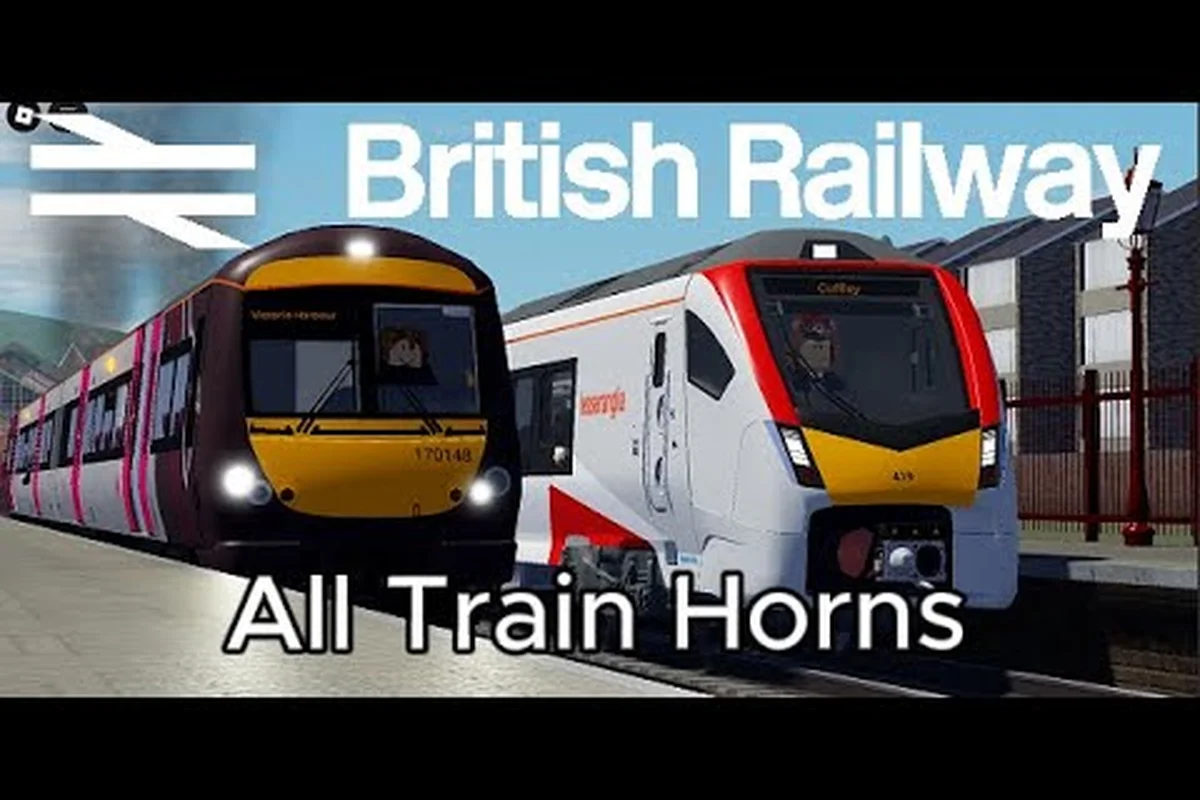
British Railway All Train Horns: Prices & Sounds 2026
Discover all train horns in British Railway with prices and sound samples. Compare the cheapest to the loudest to pick your perfect starter locomotive.

British Railway Class 43 HST: Specs, Speed & How to Get
Get the British Railway Class 43 HST with full specs, top speed, and purchase steps. See how it stacks against Class 47 and Class 90 locomotives.
All Articles
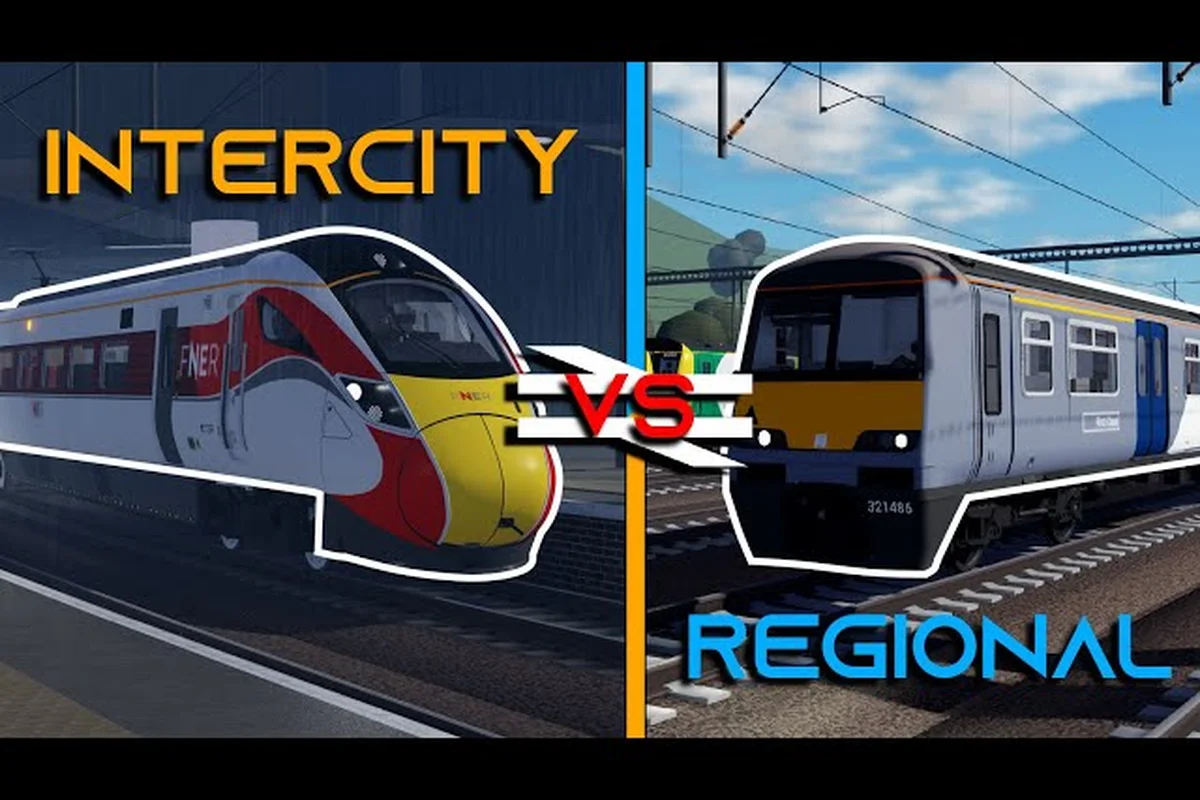
British Railway Roblox Best Commuter Train: EMU & DMU Choice
Find the best commuter train in British Railway Roblox with capacity and speed comparisons. See top EMU and DMU options for busy routes and daily runs.
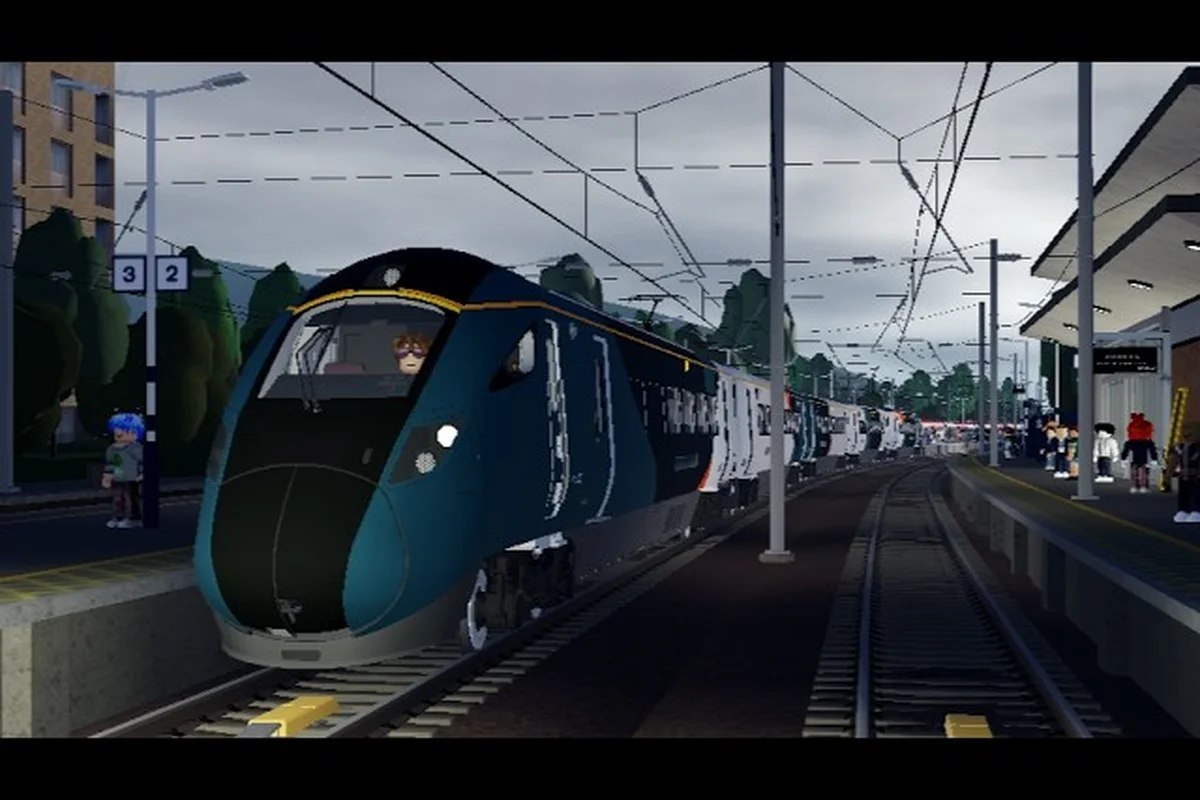
British Railway Roblox Class 805: The New Electric Express
Discover the British Railway Roblox Class 805 with full stats, speed, and horn sounds. Learn how it differs from Class 807 and the new 80x fleet.
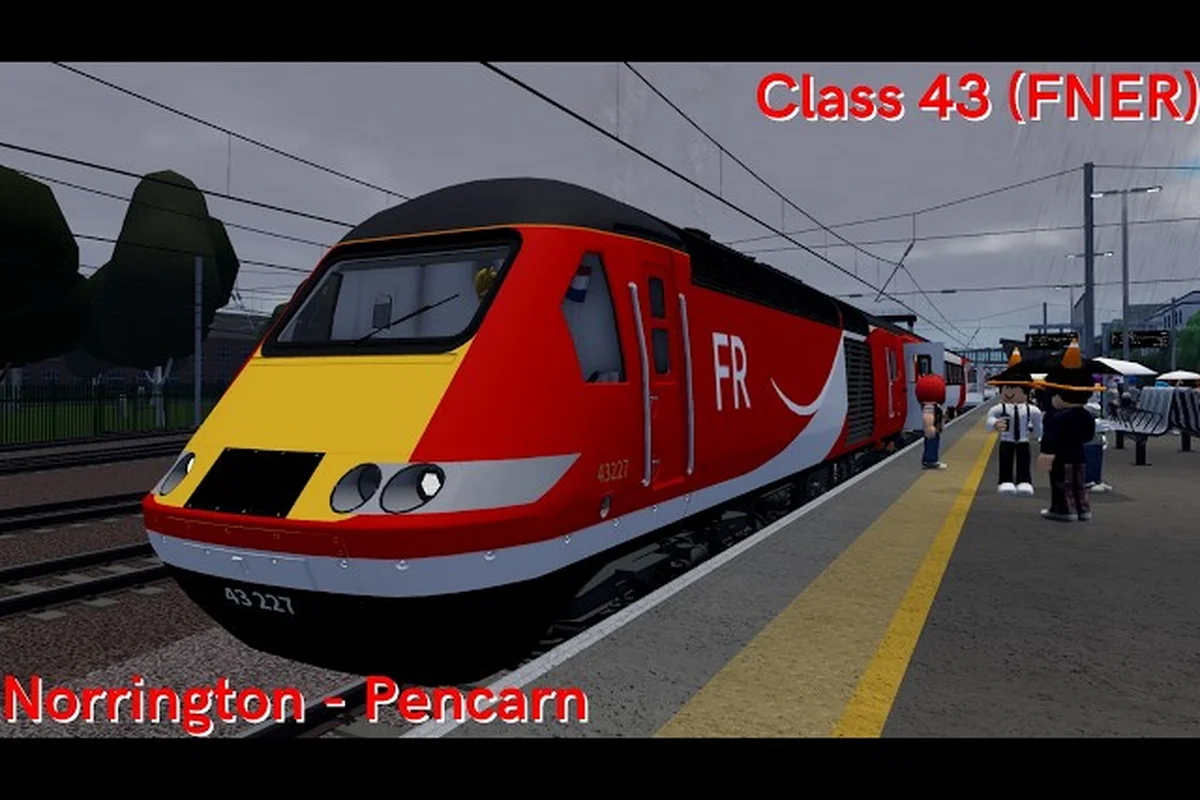
British Railway Roblox Diesel Trains: Full Fleet Guide
Explore British Railway Roblox diesel trains with specs, speeds, and capacities. Learn which express and high-speed options suit your playstyle.
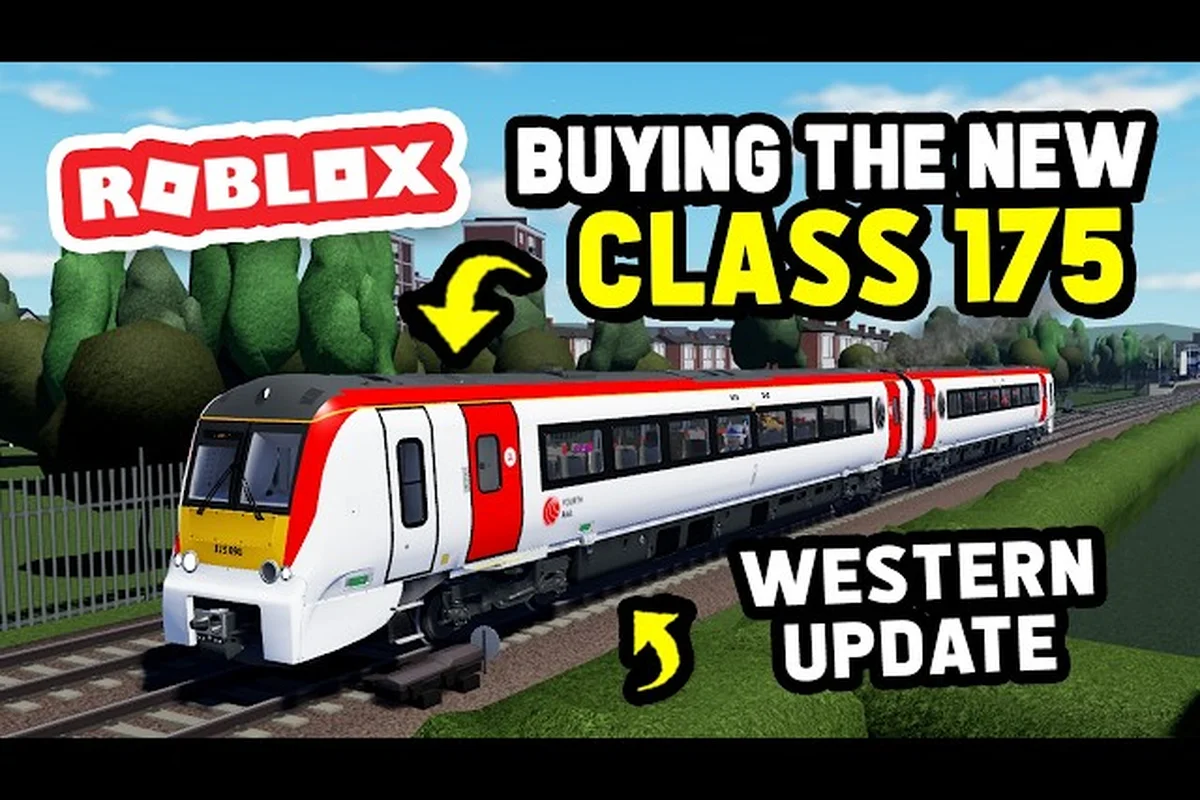
British Railway Roblox Train Bundle: Worth & New Additions
See if the British Railway Roblox train bundle is worth it with value breakdowns. Includes Class 47 and Class 175 update details plus newest trains.
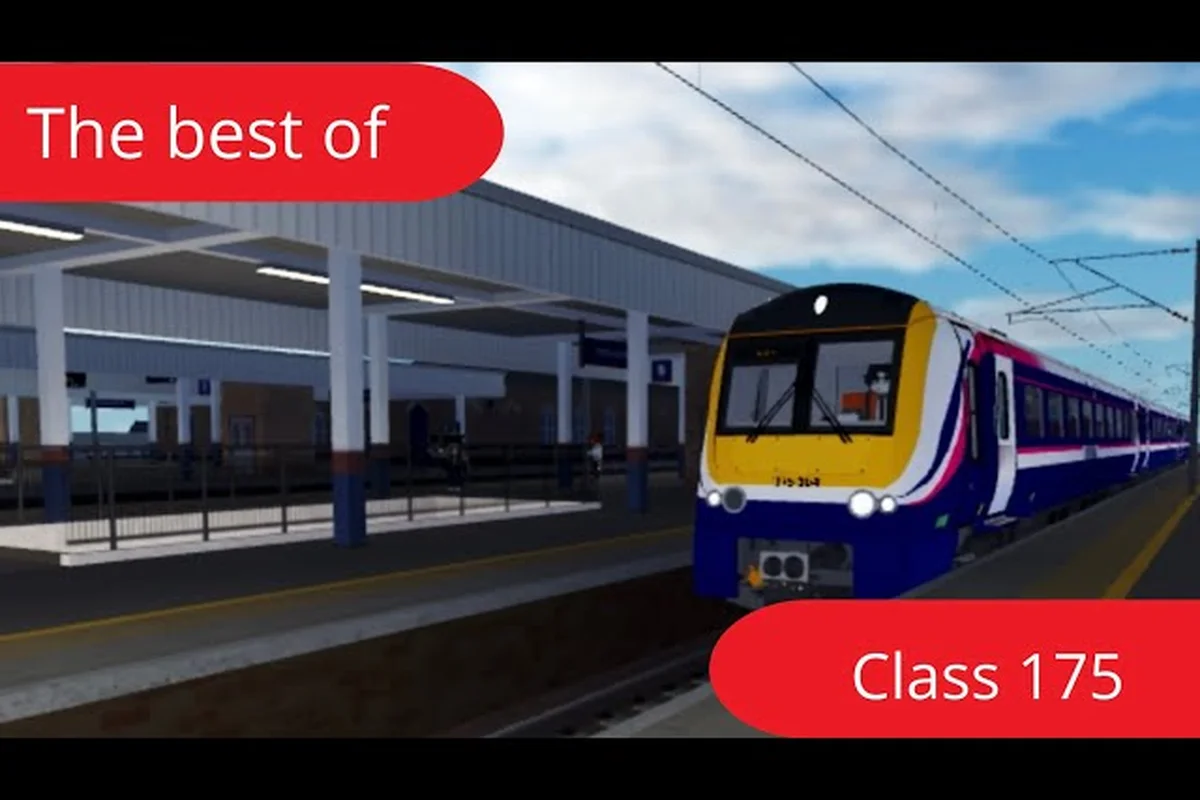
British Railway Roblox Class 175: Local DMU Deep Dive
Review the British Railway Roblox Class 175 with detailed stats, seating capacity, and speed. Compare it to Class 180 and Class 350 for your next run.