
Gameplay
Master the systems of British Railway — driving, guard and ticket checking, passenger mode, couplings, signalling and trainspotting, with controls and keybinds.
Introduction
British Railway is more than a driving game — it is a full railway simulation where every role has its own systems to master. Driving is built around the throttle, brakes and reverser, plus a signalling system where red, yellow and green signals control movement along each section of track. The guard role adds ticket checking, door control and the intercom, letting one player run the service while another drives. Passenger mode turns the game into an exploration sim, where you ride services to learn the network, visit stations and discover hidden spots. Couplings let you connect and disconnect rolling stock to build longer or shorter trains, which matters for freight and railtour services. Trainspotting is a beloved community activity, with players setting up at busy locations to watch the network go by. The weather and time-of-day systems change driving conditions, making night and rain driving genuinely different from a sunny afternoon run. This category breaks down each system so you can move beyond the basics and drive like a veteran.
Core Gameplay Systems
| System | How It Works | Key Skill |
|---|---|---|
| Driving | Throttle, brakes, reverser control the train | Smooth acceleration and accurate stopping |
| Signalling | Red, yellow and green signals control sections | Reading signals early and braking in time |
| Guarding | Check tickets, control doors, dispatch services | Keeping the timetable while passengers board |
| Couplings | Connect and disconnect rolling stock | Building the right train for the job |
| Passenger Mode | Ride services and explore the network | Learning routes and finding hidden stations |
| Trainspotting | Watch trains at busy locations | Picking the best spot for the action |
System Breakdown
Driving & Controls
The heart of the game — master the throttle, brakes and reverser to drive smooth, penalty-free services on any route.
Guard & Tickets
Play the guard role on a friend's service — check tickets, control the doors and keep the train running to time.
Passenger Mode
Ride the network as a passenger to learn routes, visit stations and discover the abandoned stops hidden on the map.
Couplings
Couple and uncouple rolling stock to build longer or shorter trains for freight, railtours and special services.
Trainspotting
The British railway hobby in game form — set up at a busy location and watch the network go by.
Signalling & Speed Limits
Read the network's signals and limits correctly — green means go, yellow warns, red means stop, and every route has its own speed rules.
Core Mechanics
The core of British Railway gameplay is the driving system. You use the throttle to apply power and the brake to slow down, with the reverser setting the direction of travel. The network is divided into signalling sections, and each section is protected by a signal — a green signal means proceed, yellow warns that the next signal may be red, and red means stop. Passing a red signal or exceeding a speed limit triggers a penalty, so reading signals early is essential. The guard system layers on top: a guard can board a friend's train, check tickets as passengers board, control the doors at each stop and use the intercom to coordinate with the driver. Couplings allow you to connect or disconnect units, which is important for freight services and for forming longer passenger trains. The weather system adds another layer, because rain and night driving reduce visibility and change braking distances. Together these systems create a simulation where coordination and practice matter more than speed.
Advantages
The gameplay category explains the systems that make British Railway unique, and mastering them is what separates casual players from reliable crew members. Understanding signalling and braking physics directly reduces penalties, while the guard guides teach the coordination skills that make multiplayer services run smoothly. The passenger and trainspotting guides open up the exploration side of the game that many drivers never experience. Because the game is a simulation, the practical detail in these guides transfers directly to your next session, making you a better driver and a more useful teammate almost immediately. The passenger and trainspotting guides also reveal an exploration side of the game that many drivers never discover, which adds real variety to your sessions.
Challenges
Gameplay mechanics can change significantly between updates — the guard role, for example, was reworked in V1.4, and older guides may describe outdated behaviour. Some systems, such as the exact braking physics of each train, are best learned through practice and are hard to fully explain in a guide. New players can also find the number of systems overwhelming, so it helps to focus on driving first and add guarding, couplings and trainspotting once you are comfortable at the controls. Some details, such as the exact braking physics of each class, are also best learned through practice, so guides work best when paired with hands-on driving time.
Frequently Asked Questions
How do signals work in British Railway?+
How do I check tickets as a guard in British Railway?+
How do couplings work in British Railway?+
What changes when driving at night or in the rain?+
Quick Tips
Read signals early — spot a yellow before it becomes a red and you will never take a penalty at a junction. Mastering one system at a time is far more effective than trying to learn everything at once, and every skill you build carries over to the other roles on the network.
Practise couplings in the depot before service; aligning a coupling cleanly under time pressure is harder than it looks. Mastering one system at a time is far more effective than trying to learn everything at once, and every skill you build carries over to the other roles on the network.
As a guard, close the doors the moment boarding is done — every second saved helps the driver hold the timetable. Mastering one system at a time is far more effective than trying to learn everything at once, and every skill you build carries over to the other roles on the network.
Use the camera to look ahead when driving the mainline, especially approaching interchanges with busy junctions. Mastering one system at a time is far more effective than trying to learn everything at once, and every skill you build carries over to the other roles on the network. Practising this consistently across your sessions will bring steady, noticeable improvement to your driving.
Try passenger mode between driving sessions — it is the fastest way to learn routes without the pressure of a timetable. Mastering one system at a time is far more effective than trying to learn everything at once, and every skill you build carries over to the other roles on the network.
Featured
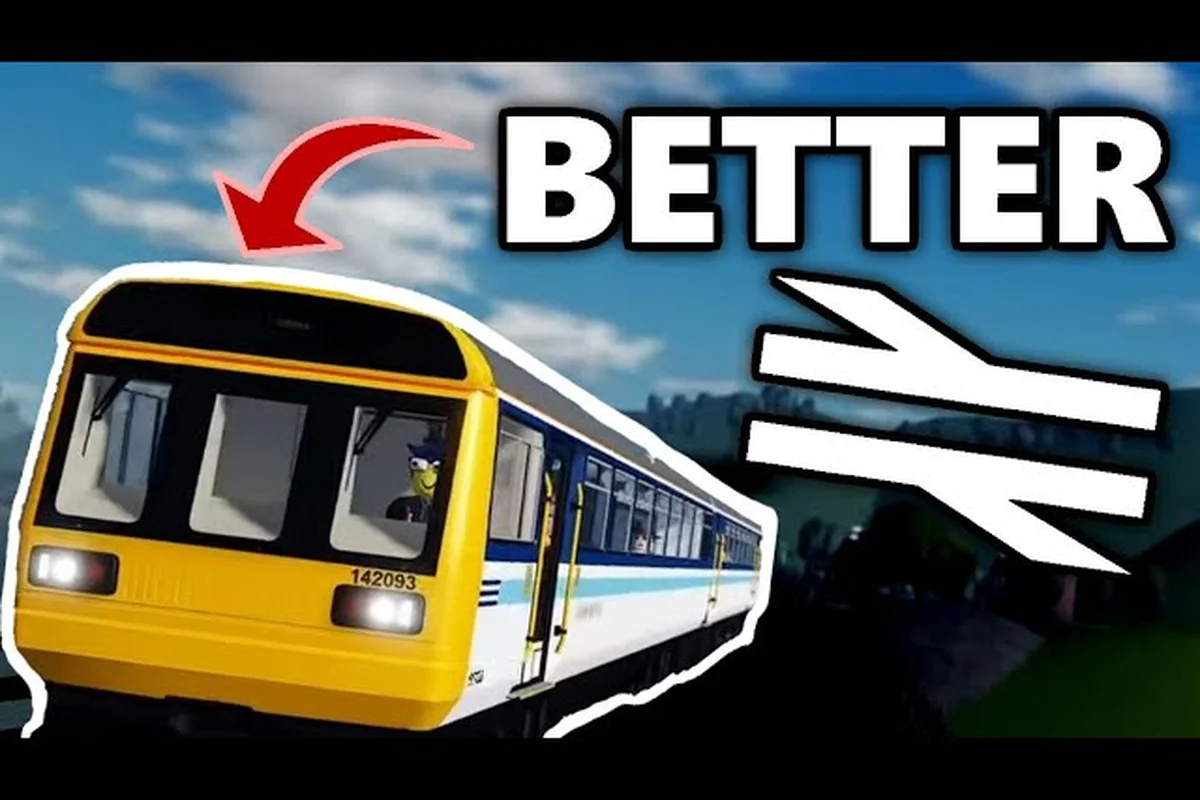
British Railway Roblox Gameplay: Drive & Guard Mode Basics
Dive into British Railway Roblox gameplay covering driving mechanics, guard mode, and ticket checking. Learn how to drive and guard effectively in version 1.4.
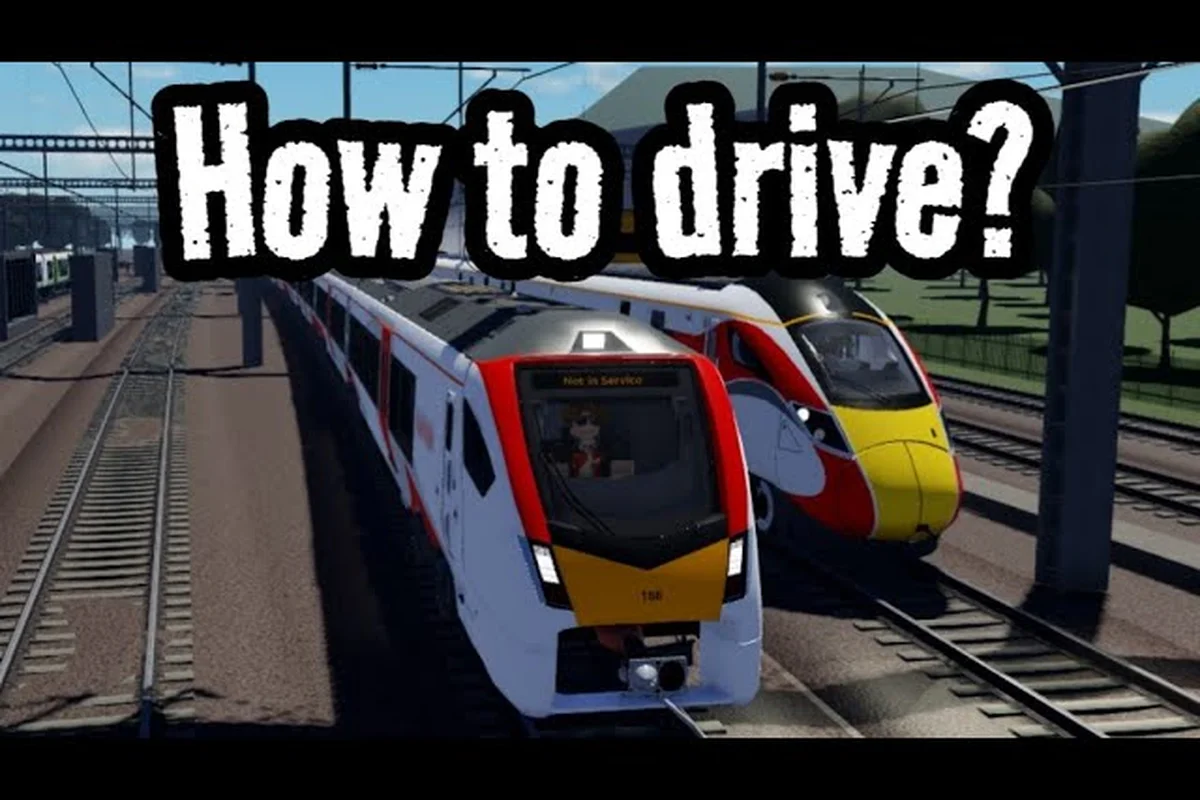
British Railway Roblox Rain Driving: Winter & Lines
Master British Railway Roblox rain driving with winter mode and third rail tips. Understand overhead lines and pantograph use, plus horn sounds for safety.
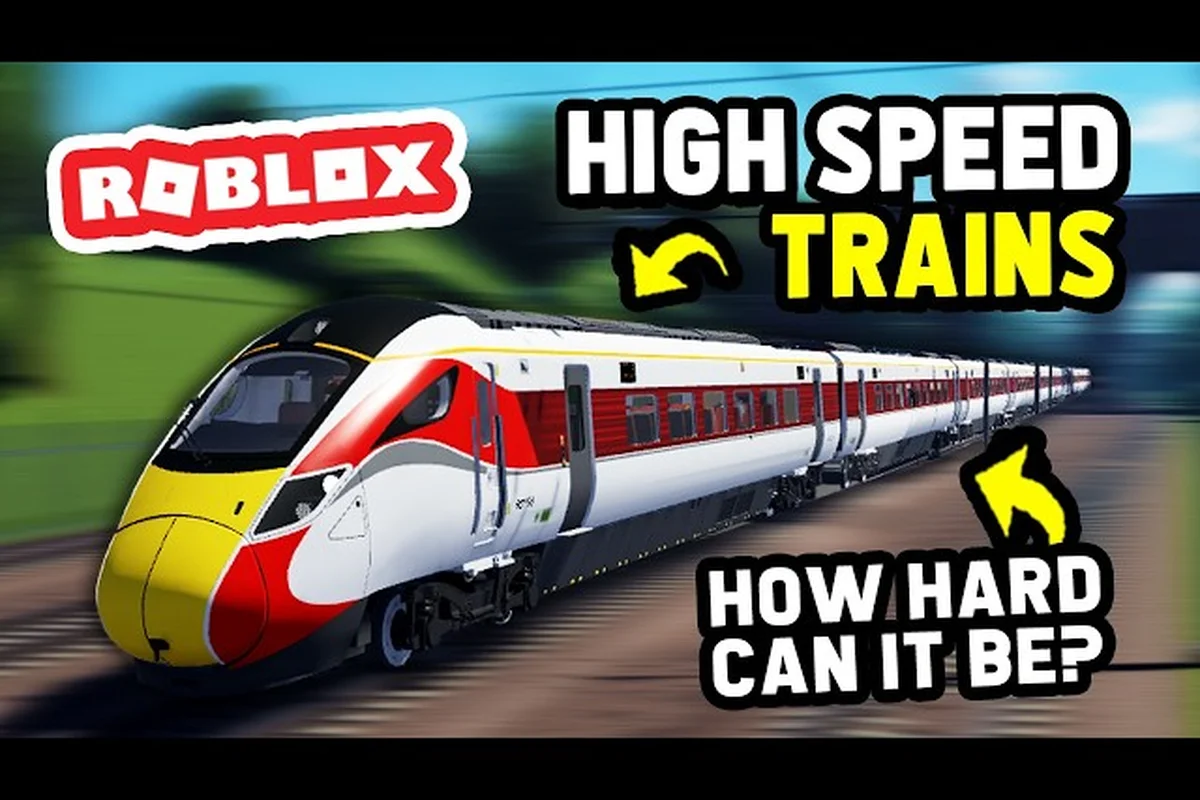
British Railway Roblox Red Signal: What to Do & Overspeed
Handle British Railway Roblox red signal stops with speed limit enforcement and overspeed tips. Improve stopping accuracy for safe arrivals.
All Articles
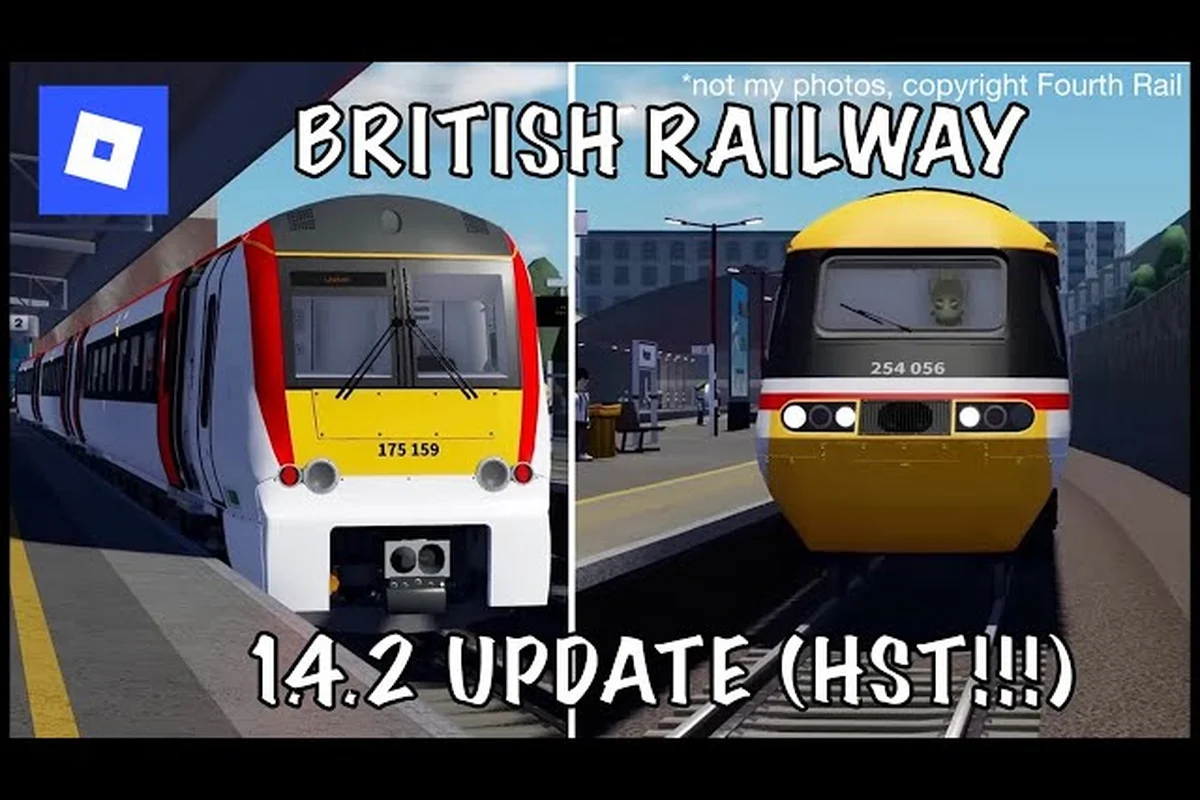
British Railway Roblox RP Server: Multiplayer & Night
Join British Railway Roblox RP server for 45-player multiplayer fun. Learn how to play with friends, plus night and weather driving tips for realistic sessions.
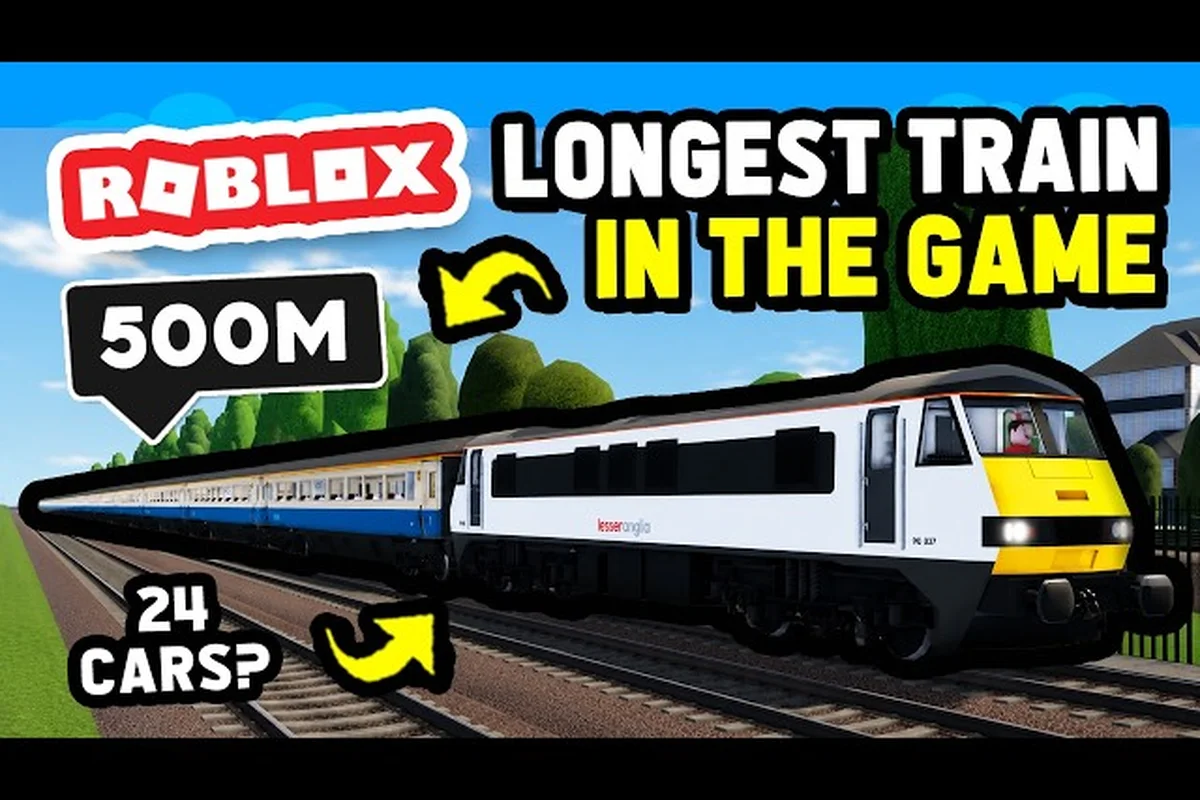
British Railway Roblox Uncoupling: Couple Trains & Railfan
Learn British Railway Roblox uncoupling and how to couple trains with this guide. Explore railtours and railfan mode for immersive roleplay.
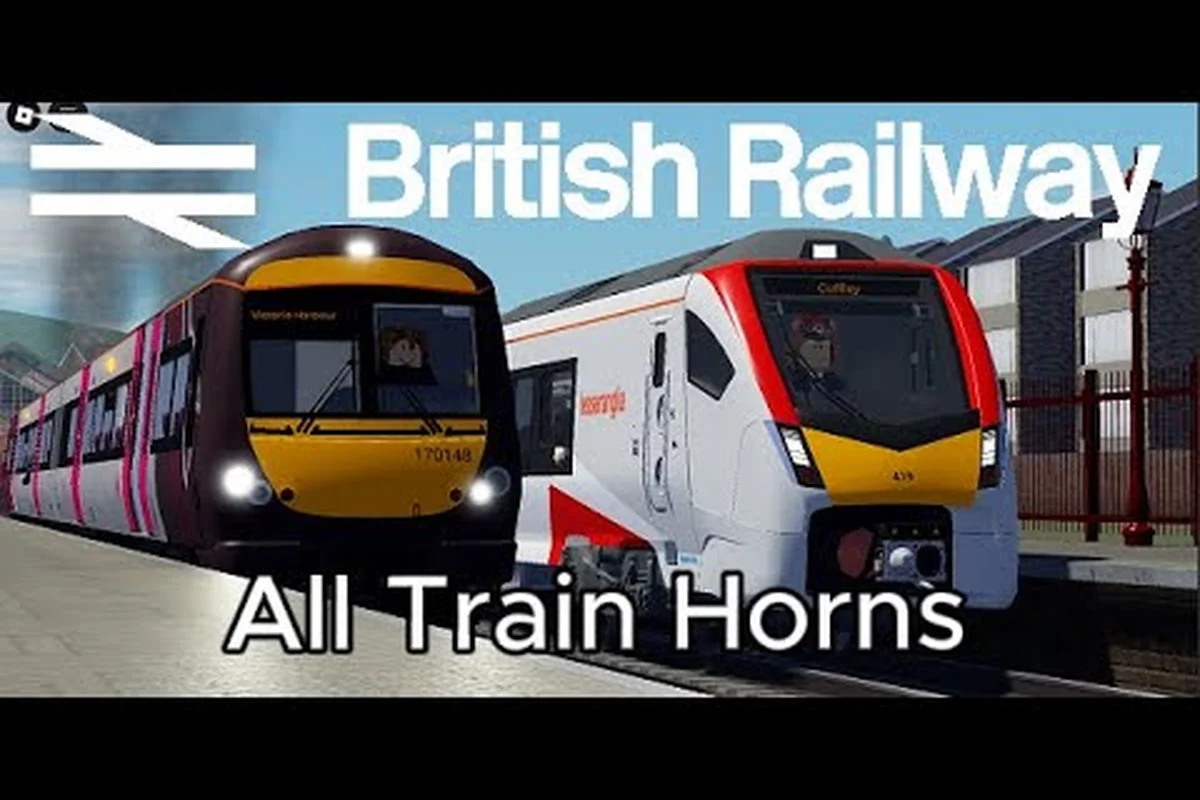
British Railway Roblox Whistle: Brake, Throttle & Free Roam
Use British Railway Roblox whistle with brake system, throttle, and reverser commands. Explore free roam and sandbox mode for creative train operations.
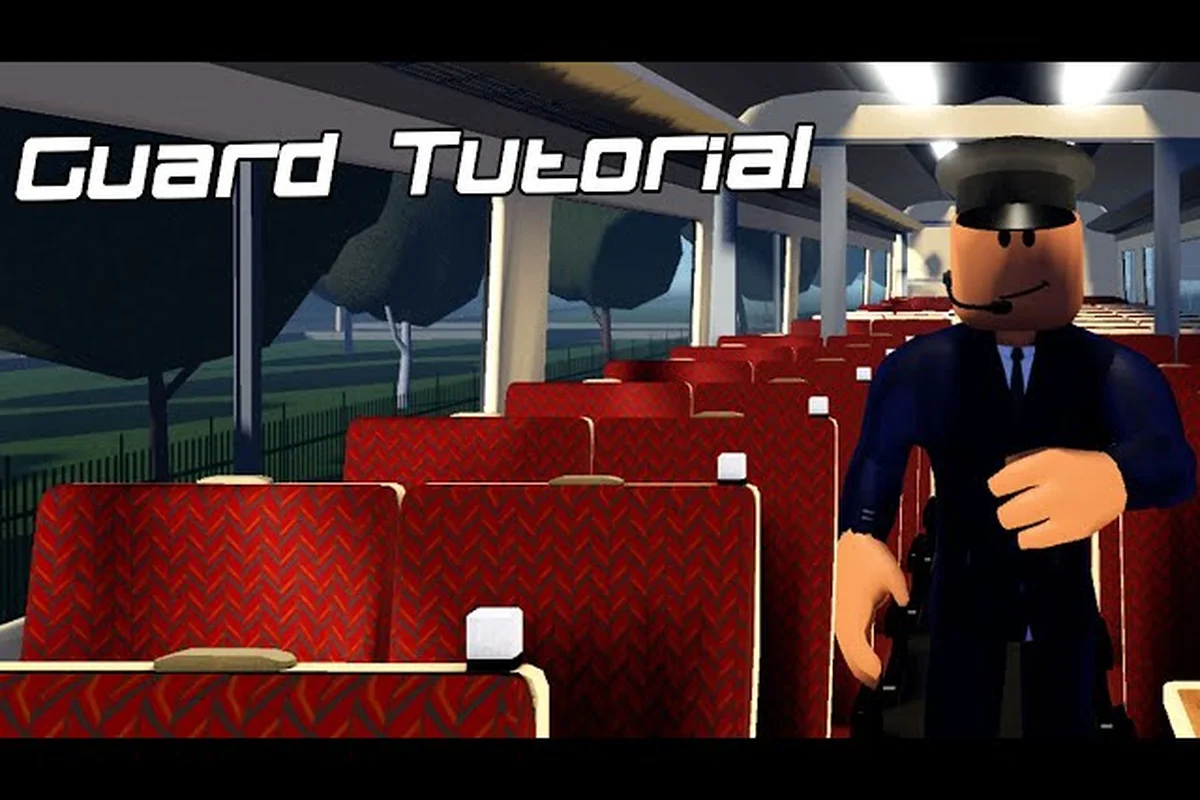
British Railway Roblox Guard Controls: Signals & Passenger
Master British Railway Roblox guard controls for passenger mode, trainspotting, and signalling. Improve your guard duties with this focused guide.